Electric Motocross vs Electric Enduro: What’s the Difference?
Electric motocross and electric enduro motorcycles can look very similar, and in some cases they even share the same motor,

The purchase price is only part of the cost of owning an electric dirt bike.
Whether you’re considering your first electric dirt bike or upgrading to a newer model, one question eventually comes up:
“How much will it actually cost me every year?”
The answer is usually much lower than most riders expect.
Unlike traditional gas-powered dirt bikes, electric models don’t require engine oil changes, spark plugs, air filters, fuel, or regular engine servicing. That alone can save hundreds of dollars over several years of ownership.
However, electric dirt bikes still have ongoing expenses.
You’ll eventually replace tires, brake pads, chains, sprockets, bearings, and—after years of riding—the battery itself.
Understanding these costs before you buy helps you choose the right bike, plan a realistic maintenance budget, and avoid unexpected surprises later.
In this guide, we’ll break down every major ownership expense, compare electric and gas dirt bikes, and show you where most riders actually spend their money.
For most recreational riders, the annual ownership cost of an electric dirt bike falls between $300 and $1,200.
The exact amount depends on:
Here’s a general estimate.
| Expense | Typical Annual Cost (USD) |
|---|---|
| Electricity | $20–$80 |
| Tires | $120–$400 |
| Brake Pads | $30–$120 |
| Chain & Sprockets | $50–$180 |
| Bearings & Small Parts | $30–$150 |
| Suspension Service (if needed) | $100–$300 |
| Accessories & Miscellaneous | Varies |
Many riders spend less than they originally expected because electricity is surprisingly inexpensive compared with gasoline.
When people think about ownership costs, they often focus only on battery replacement.
In reality, that’s only one piece of the picture.
Most annual expenses come from normal wear and tear rather than major repairs.
Let’s break them down one by one.
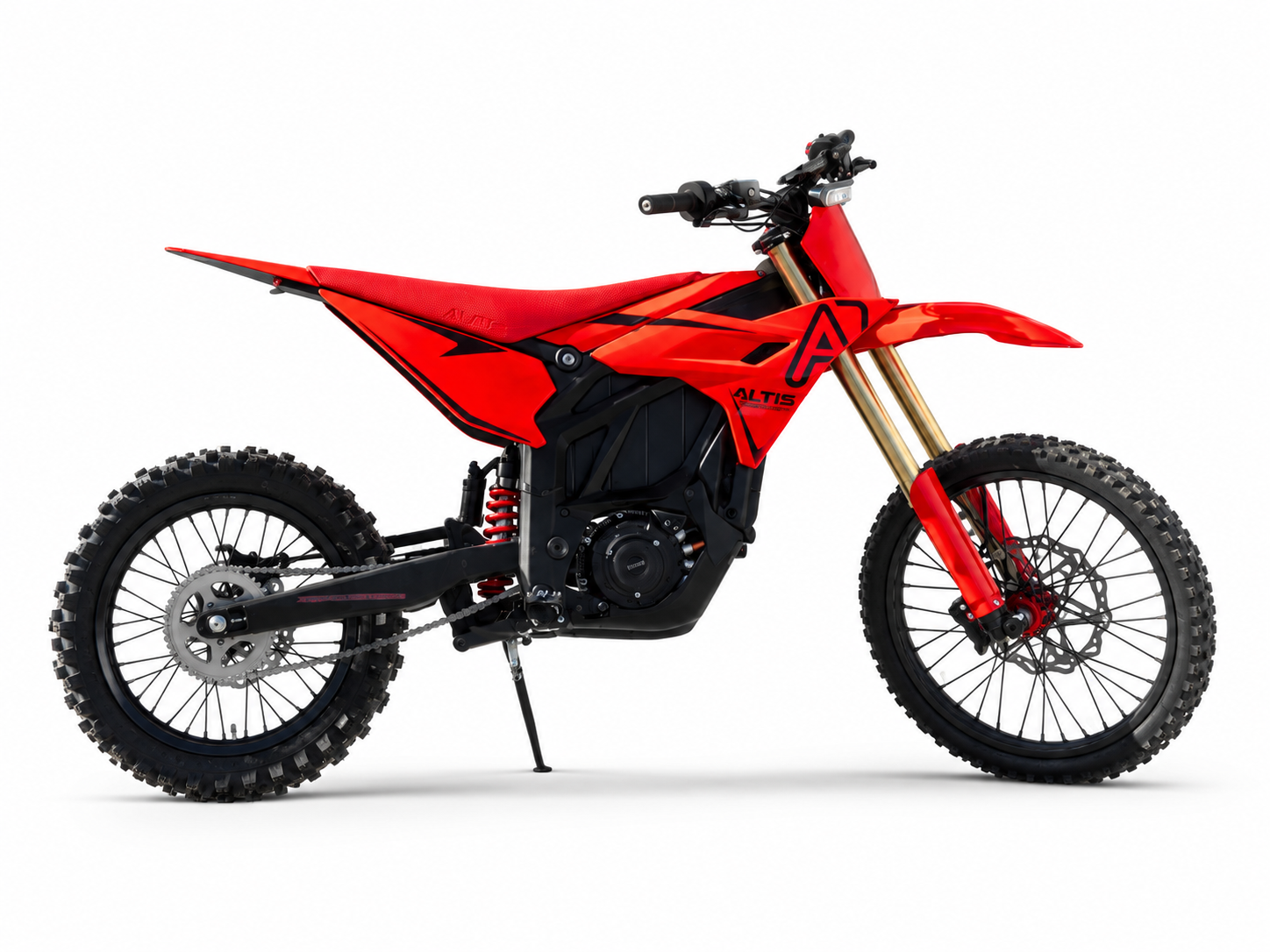
One of the biggest advantages of an electric dirt bike is how inexpensive it is to charge.
Even riders who use their bikes every weekend are often surprised when they calculate their annual electricity bill.
Here’s an example.
Imagine your bike has a 2.5 kWh battery.
If electricity costs $0.17 per kWh (close to the U.S. average in many areas), a full charge costs approximately:
2.5 × $0.17 = $0.43
That means every full charge costs less than fifty cents.
Even if you fully recharge the battery 100 times per year, your annual charging cost would still be only about:
$43
Compared with the cost of gasoline for a similar amount of riding, that’s a significant saving.
| Battery Size | Electricity Price | Cost Per Full Charge |
| 2.0 kWh | $0.17/kWh | $0.34 |
| 2.5 kWh | $0.17/kWh | $0.43 |
| 3.0 kWh | $0.17/kWh | $0.51 |
| 3.5 kWh | $0.17/kWh | $0.60 |
Electricity rates vary by location, but charging remains one of the lowest ownership costs for almost every rider.
While charging is inexpensive, the battery is still the most valuable component on the bike.
Fortunately, it also tends to last a long time.
Most modern lithium-ion batteries are designed to withstand hundreds of charge cycles before experiencing noticeable capacity loss.
For many recreational riders, that translates to several years of regular use before battery replacement becomes necessary.
How long the battery lasts depends on factors such as:
Riders who avoid leaving the battery fully discharged, store it indoors during extreme temperatures, and follow proper charging practices often extend battery life well beyond the average.
Instead of thinking about battery replacement as an annual expense, it’s better to view it as a long-term ownership cost.
For many owners, it won’t become relevant until years after purchasing the bike.
Ask experienced riders where most of their maintenance budget goes, and many will answer the same way:
Tires.
Trail conditions have a huge impact on tire life.
Loose gravel, rocky terrain, aggressive acceleration, and frequent braking all increase wear.
Weekend riders may replace tires only once every year or two.
More aggressive riders who spend time on technical terrain may replace rear tires much more frequently.
Good tire maintenance helps extend tire life.
Maintaining proper tire pressure, riding smoothly, and avoiding unnecessary wheel spin all reduce wear while also improving battery efficiency.
Brake pads are considered normal wear items.
Fortunately, they’re also among the least expensive parts to replace.
The lifespan of brake pads depends on:
Riders who frequently descend steep hills or ride in wet conditions generally replace pads more often than those riding dry recreational trails.
Checking brake pad thickness during routine maintenance helps prevent rotor damage and keeps braking performance consistent.
Looking at annual expenses is helpful, but many riders prefer thinking in terms of cost per ride.
Let’s use a typical example.
Assume you:
That works out to:
About $20 per ride.
For riders who use their bikes more frequently, the cost per ride often decreases because fixed ownership costs are spread across more riding days.
Two riders can own the exact same bike and spend very different amounts each year.
A casual weekend rider who enjoys scenic forest trails may only replace tires every couple of seasons and rarely need brake pads.
A more aggressive rider tackling rocky climbs, jumps, and technical terrain will naturally wear components more quickly.
That’s why ownership costs are influenced less by the bike itself and more by how it’s ridden.
Smooth throttle control, regular maintenance, and proper storage can reduce annual costs significantly while also extending the life of expensive components.
The purchase price often gets the most attention, but it’s only one part of the equation.
If you plan to keep your bike for several years, the cost of ownership becomes much more important than the price on the showroom floor.
This is where electric dirt bikes begin to show one of their biggest advantages.
A traditional gas-powered dirt bike requires regular engine maintenance throughout its life. Depending on how often you ride, that can include:
Electric dirt bikes eliminate many of these routine service items.
With fewer moving parts, there’s simply less that requires regular attention.
That doesn’t mean they’re maintenance-free—but it does mean you’ll usually spend less time and money on scheduled maintenance.
The exact figures vary depending on the bike, riding style, and local prices, but this comparison reflects what many recreational riders experience over several years of ownership.
| Expense | Electric Dirt Bike | Gas Dirt Bike |
|---|---|---|
| Electricity / Fuel | Low | High |
| Oil Changes | Not Required | Regular |
| Air Filter Service | Minimal | Frequent |
| Spark Plugs | None | Periodic |
| Engine Maintenance | Very Low | Moderate to High |
| Tires | Similar | Similar |
| Brake Pads | Similar | Similar |
| Chain & Sprockets | Similar | Similar |
| Battery Replacement | Possible after several years | Not Applicable |
Although an electric dirt bike may eventually require a replacement battery, many owners still spend less on routine maintenance over five years than they would maintaining a comparable gas-powered motorcycle.
Many first-time buyers assume electricity or battery replacement will be the biggest expense.
In reality, that’s rarely true.
For most owners, annual spending is concentrated in a few predictable categories.
Rear tires usually wear faster than front tires because they’re responsible for putting all the motor’s torque to the ground.
Riders who frequently accelerate hard on loose terrain often replace rear tires more often than expected.
Using the correct tire pressure and avoiding unnecessary wheel spin can noticeably extend tire life.
Brake pads are inexpensive, but they’re consumable items.
Steep descents, muddy conditions, and aggressive braking naturally increase wear.
Inspecting your brake pads regularly is one of the simplest ways to avoid unnecessary rotor damage.
Although electric dirt bikes don’t have engines, they still transfer power through a chain on most models.
Keeping the chain properly adjusted, lubricated (when applicable), and clean reduces wear on both the chain and sprockets.
Replacing a neglected drivetrain usually costs far more than maintaining it.
Forks and rear shocks require periodic servicing if you ride regularly.
Fresh suspension oil and healthy seals keep the bike handling as intended and help prevent more expensive repairs later.
Many recreational riders only service suspension occasionally, while frequent riders may choose shorter service intervals.
Not every rider spends the same amount each year.
Someone who rides twice a month on smooth forest trails will usually spend much less than someone riding every weekend on rocky mountain terrain.
Here’s a simple comparison.
| Rider Type | Estimated Annual Cost |
|---|---|
| Casual Weekend Rider | $300–$500 |
| Regular Trail Rider | $500–$800 |
| Frequent Off-Road Rider | $800–$1,200+ |
The biggest factors influencing ownership costs include:
In many cases, proper maintenance saves more money than buying cheaper replacement parts.
Owning an electric dirt bike doesn’t have to be expensive.
A few good habits can significantly reduce long-term maintenance costs.
The battery is the most valuable component on the bike.
Avoid storing it fully discharged, protect it from extreme temperatures, and follow the manufacturer’s charging recommendations.
Healthy charging habits help maximize battery lifespan.
Incorrect tire pressure doesn’t just affect handling.
It also increases tire wear and can reduce battery efficiency.
Checking tire pressure before each ride takes less than a minute but helps extend the life of both tires and wheels.
Mud traps moisture and grit around bearings, suspension seals, brake components, and the drivetrain.
Cleaning the bike after wet rides helps prevent premature wear and makes routine inspections much easier.
Don’t wait until something breaks.
Checking brake pads, chain tension, spokes, wheel bearings, and fasteners during routine maintenance allows small problems to be fixed before they become expensive repairs.
Aggressive riding is fun—but it’s also harder on every component.
Smooth throttle control, controlled braking, and maintaining momentum through corners reduce stress on tires, brakes, chains, and suspension.
Over the course of a season, those habits can noticeably reduce ownership costs.
Not every shortcut saves money in the long run.
Avoid compromising on these items:
Quality replacement parts often last longer, perform better, and help prevent additional damage.
Understanding when expenses typically occur makes budgeting much easier.
| Ownership Period | Typical Expenses |
|---|---|
| First 6 Months | Routine inspections, charging, cleaning |
| 6–12 Months | Possible brake pads or rear tire depending on usage |
| 1–2 Years | Tires, chain adjustment, routine maintenance |
| 2–4 Years | Suspension service, drivetrain wear items |
| 4–6 Years | Battery health evaluation, possible battery replacement depending on usage |
Remember that this timeline varies considerably based on riding frequency and maintenance habits.
A well-maintained bike often costs less over time than one that’s neglected.
For most riders, a full charge costs less than $1.
The exact amount depends on your battery capacity and local electricity rates, but even larger battery packs are inexpensive to recharge compared with filling the fuel tank of a gas-powered dirt bike.
For many owners, annual charging costs are only a small fraction of their total ownership expenses.
In many cases, yes.
Although electric dirt bikes may have a similar purchase price, they usually cost less to maintain over the long term because they don’t require:
Most routine expenses are limited to tires, brake pads, chains, bearings, and occasional suspension service.
The battery is typically the single most expensive component.
Fortunately, it also has one of the longest service lives.
With proper charging, storage, and maintenance, many lithium-ion batteries provide years of reliable performance before replacement becomes necessary.
For most recreational riders, battery replacement is a long-term consideration rather than a yearly expense.
That depends on how and where you ride.
Aggressive riders who spend time on rocky trails or frequently use full throttle will wear rear tires much faster than riders exploring forest trails at a relaxed pace.
Regularly checking tire pressure and avoiding unnecessary wheel spin can noticeably extend tire life.
Absolutely.
Two riders with the same bike can have very different maintenance costs.
Smooth throttle control, regular cleaning, and preventive maintenance reduce wear on tires, brakes, chains, bearings, and suspension.
Aggressive riding increases operating costs regardless of which electric dirt bike you own.
Yes.
While suspension doesn’t require constant attention, fork oil, seals, and rear shock components eventually wear over time.
Routine servicing keeps the suspension performing properly and often prevents more expensive repairs later.
Insurance requirements vary depending on where you live and how the bike is used.
If you ride exclusively on private property, insurance may not be required.
For public roads or designated riding areas, local regulations may differ.
Always check the laws in your state or country before riding.
Well-maintained electric dirt bikes generally retain their value better than neglected ones.
Keeping service records, storing the battery correctly, maintaining original components, and avoiding unnecessary cosmetic damage all help improve resale value.
Every rider uses their bike differently.
The following examples provide realistic ownership budgets based on typical riding habits.
| Rider Profile | Typical Riding Frequency | Estimated Annual Cost |
|---|---|---|
| Casual Weekend Rider | 1–2 rides per month | $300–$500 |
| Regular Trail Rider | Every weekend | $500–$800 |
| Enthusiast Rider | Multiple rides each week | $800–$1,200+ |
These estimates include routine maintenance, replacement wear items, and electricity, but they do not include major crash repairs or optional upgrades.
Following a simple maintenance routine is the easiest way to reduce long-term costs.
Preventive maintenance almost always costs less than emergency repairs.
One of the biggest misconceptions about electric dirt bikes is that battery replacement dominates ownership costs.
For many recreational riders, that’s simply not true.
A typical five-year ownership experience looks something like this:
Most of the money spent over several years goes toward consumable components, not unexpected failures.
Owning an electric dirt bike is generally less expensive than many first-time buyers expect.
While the initial purchase is a significant investment, day-to-day operating costs remain surprisingly low. Charging the battery costs only a few cents per ride in many parts of the United States, and routine maintenance is far simpler than that of a comparable gas-powered dirt bike.
The largest long-term expenses are predictable:
None of these should come as a surprise if you understand the ownership cycle before buying.
More importantly, many of these costs can be reduced through simple habits.
Keeping the battery properly charged, maintaining correct tire pressure, cleaning the bike after muddy rides, and replacing worn parts before they cause additional damage all contribute to lower ownership costs over time.
If you’re deciding between an electric and a gas-powered dirt bike, don’t focus only on the purchase price.
Look at the total cost of ownership.
For many recreational riders, an electric dirt bike delivers a quieter riding experience, lower maintenance requirements, and lower running costs over the life of the bike—making it one of the most cost-effective ways to enjoy off-road riding.
Electric motocross and electric enduro motorcycles can look very similar, and in some cases they even share the same motor,
Electric enduro motorcycles are becoming an increasingly appealing option for riders who want strong acceleration, precise low-speed control, and less
Electric enduro motorcycles are becoming an increasingly appealing option for riders who want strong acceleration, precise low-speed control, and less
The Talaria XXX Pro and Talaria Sting R MX4 are two popular options for riders looking for a lightweight electric
