
Electric Motocross vs Electric Enduro: What’s the Difference?
Electric motocross and electric enduro motorcycles can look very similar, and in some cases they even share the same motor,
You finish an amazing day on the trails.
The bike is covered in mud.
Dust is packed around the suspension.
The skid plate has collected dirt, and there’s mud splashed across the battery compartment.
At that moment, it’s tempting to park the bike in the garage and tell yourself you’ll clean it next weekend.
Almost every rider has done it.
The problem is that dirt doesn’t just affect how your electric dirt bike looks—it affects how it performs.
Mud can trap moisture around electrical connectors. Dust accelerates wear on moving components. Sand works its way into bearings and suspension seals. Even dried mud can make routine inspections more difficult, allowing small issues to go unnoticed until they become expensive repairs.
Unlike gas-powered dirt bikes, electric models also include sensitive electrical components that require a little more care during cleaning. Knowing when to wash your bike is just as important as knowing how to wash it.
The good news is that keeping an electric dirt bike clean doesn’t require special equipment or hours of work.
A simple cleaning routine after each ride can help protect your battery, improve reliability, extend component life, and make every ride more enjoyable.
In this guide, we’ll explain how often you should clean your electric dirt bike, the safest way to wash it, common mistakes to avoid, and the maintenance habits that experienced riders follow to keep their bikes in top condition.
If you’re looking for the short answer, here’s a simple cleaning schedule most riders can follow.
| Riding Conditions | Recommended Cleaning Schedule |
|---|---|
| Dry trails | Every 2–3 rides |
| Dusty conditions | After every ride |
| Muddy trails | Immediately after every ride |
| Rain or wet conditions | After every ride |
| Beach or sandy terrain | Immediately after every ride |
| Before long-term storage | Always clean before storing |
Cleaning frequency ultimately depends on where and how you ride.
A bike used occasionally on dry fire roads requires much less attention than one ridden through deep mud every weekend.
Many new owners think cleaning is mainly about appearance.
Experienced riders know it’s actually one of the simplest forms of preventative maintenance.
A clean bike is easier to inspect, easier to maintain, and often more reliable over time.
Let’s look at why regular cleaning deserves a place in every rider’s routine.
One of the biggest differences between electric and gas-powered dirt bikes is the number of electrical components working together.
Your battery, controller, display, sensors, and wiring all rely on clean, secure electrical connections.
Mud and moisture left sitting around connectors can eventually contribute to corrosion, especially if the bike is stored without being cleaned or dried properly.
Regular cleaning makes it easier to spot damaged wiring, loose connectors, or water intrusion before those issues lead to bigger electrical problems.
Every ride pushes dirt, sand, and fine dust toward your suspension forks and rear shock.
If that dirt isn’t removed regularly, it can gradually wear seals and allow contaminants to enter moving components.
Over time, suspension performance may begin to suffer.
Keeping suspension tubes clean after every ride is one of the easiest ways to reduce unnecessary wear.
Brake systems perform best when they’re clean.
Mud, sand, and small stones can become trapped around brake calipers and rotors, increasing wear on brake pads and reducing braking performance.
Cleaning these areas regularly also gives you an opportunity to inspect pad thickness before it becomes a safety concern.
Finding mechanical problems is much easier when the bike isn’t covered in mud.
Loose bolts, damaged cables, leaking suspension seals, and worn tires are all easier to identify during cleaning than during the next ride.
Many experienced riders treat washing the bike as a quick inspection rather than simply a cosmetic task.
Whether you plan to keep your electric dirt bike for years or eventually upgrade to a newer model, regular cleaning helps maintain its condition.
A well-maintained bike not only looks better but also gives future buyers greater confidence that it has been properly cared for.
Good maintenance habits today often translate into higher resale value later.
There’s no single schedule that works for every rider.
Instead, your cleaning routine should reflect your riding conditions.
Some environments are much harder on a bike than others.
Mud should never remain on the bike longer than necessary.
As it dries, it traps moisture against metal components and packs tightly around suspension parts, brake systems, and electrical connectors.
If you’ve spent the day riding through muddy trails or creek crossings, it’s best to wash the bike as soon as you return home.
Removing fresh mud is also much easier than trying to scrape away dried dirt several days later.
Dust may seem harmless compared with thick mud, but fine dust particles can be surprisingly abrasive.
They collect around seals, chain guides, wheel bearings, and cooling surfaces.
If you frequently ride in dry, dusty conditions, a quick rinse and wipe-down after each ride can help prevent unnecessary wear.
Sand deserves special attention.
Unlike ordinary dirt, sand easily works its way into moving parts.
If left in place, it can accelerate wear on bearings, suspension components, brake systems, and other mechanical parts.
Whenever you ride near beaches, dunes, or sandy trails, clean the bike thoroughly afterward.
Water alone usually isn’t the problem.
It’s the combination of water, dirt, and debris that creates trouble.
After riding in wet conditions, wash away accumulated dirt, dry the bike carefully, and inspect the battery compartment and charging port before putting the bike away.
If your rides are limited to dry trails with very little mud or dust, a full wash after every outing isn’t always necessary.
Many recreational riders perform a quick inspection after each ride and a more thorough cleaning every two or three rides.
The key is preventing dirt from building up over time.
Instead of following a strict schedule, pay attention to your bike.
It’s ready for a wash if you notice:
Cleaning the bike before these problems become more serious takes far less time than repairing damaged components later.
Now that you know when to clean your electric dirt bike, the next question is just as important:
What’s the safest way to wash it without damaging the battery or electrical system?
In Part 2, we’ll walk through a step-by-step cleaning process, explain whether pressure washers are safe, show you which areas need extra care, and highlight the cleaning mistakes that even experienced riders sometimes make.
Now that you know when your electric dirt bike should be cleaned, it’s time to look at the cleaning process itself.
One of the biggest misconceptions about electric dirt bikes is that they can’t get wet.
That’s not true.
Modern electric dirt bikes are designed to handle rain, muddy trails, creek crossings, and regular washing. However, they still contain sensitive electrical components that deserve more care than simply spraying the entire bike with a pressure washer.
The goal isn’t just to make the bike look clean—it’s to remove dirt without forcing water into places where it doesn’t belong.
Follow these steps, and you’ll keep your bike looking great while protecting its electrical system.
Before cleaning, power the bike off completely.
If your model uses a removable battery and the manufacturer recommends removing it before washing, take the battery out and store it in a clean, dry location while you clean the rest of the bike.
Also make sure the charging port is securely closed before any water touches the bike.
Starting with a powered-off bike greatly reduces the chance of accidental electrical problems during cleaning.
If you’ve just finished riding, give the bike a few minutes to cool before washing it.
This is especially important after aggressive trail riding when the motor, controller, brakes, and suspension may still be warm.
Spraying cold water directly onto hot components isn’t recommended and may place unnecessary stress on certain materials.
While you’re waiting, it’s the perfect opportunity to remove large chunks of mud by hand or with a soft brush.
This is where many riders make their biggest mistake.
A garden hose with moderate water pressure is usually all that’s needed.
Begin rinsing from the top of the bike and work downward.
Allow the water to loosen mud and dirt instead of trying to blast it away.
Pay attention to areas where dirt commonly collects:
Avoid directing a strong stream of water into:
Remember, you’re rinsing the bike—not pressure testing its seals.
Once the loose dirt has been rinsed away, use a bucket of clean water mixed with a motorcycle-safe cleaner or mild automotive soap.
A soft sponge or microfiber wash mitt works well for painted surfaces, while soft detailing brushes make it easier to reach around suspension components, brake calipers, and the frame.
Avoid household cleaners that contain harsh chemicals, as they can damage plastics, graphics, and protective finishes.
Working from the cleanest areas toward the dirtiest helps prevent scratching the bike’s surfaces with trapped grit.
Most riders focus on the bodywork and wheels.
The real maintenance happens in the smaller details.
Take a few extra minutes to inspect and clean:
These are the places where mud and debris tend to accumulate, and where unnoticed buildup can eventually lead to unnecessary wear.
Cleaning also gives you the opportunity to spot loose bolts, damaged cables, or worn components before your next ride.
Washing is only half the job.
Drying is just as important.
Use a clean microfiber towel to remove standing water from painted surfaces, the frame, and around electrical components.
Pay special attention to:
If water collects in tight spaces, allow the bike to air dry completely before reinstalling the battery or charging it.
A few extra minutes of drying helps prevent moisture from lingering around electrical connections.
This question comes up almost every time a new rider buys an electric dirt bike.
The short answer is:
It’s better to avoid it whenever possible.
While many modern bikes are built to withstand wet riding conditions, a pressure washer can force water past seals and into sensitive components that were never designed to handle concentrated, high-pressure spray.
If you choose to use a pressure washer:
A standard garden hose is usually the safer choice.
Even experienced riders sometimes develop habits that do more harm than good.
Here are a few mistakes worth avoiding.
Never clean an electric dirt bike while it’s connected to a charger.
Disconnect the charger completely before beginning any cleaning.
High-pressure water may remove mud quickly, but it can also push moisture into bearings, electrical connectors, and seals.
Patience is much cheaper than replacing damaged components.
The charging port should always remain clean and dry.
After washing, inspect the protective cover and make sure no moisture remains before charging the battery.
A bike that looks dry isn’t always completely dry.
Moisture trapped around connectors or inside the battery compartment can remain long after the frame has dried.
Allow the bike to air dry thoroughly before storage.
Strong degreasers, solvent-based cleaners, or household chemicals may damage plastics, rubber seals, decals, and painted surfaces.
Always choose products intended for motorcycles, bicycles, or automotive finishes.
Cleaning removes more than dirt.
It can also wash away lubricants from moving parts.
After the bike has dried, inspect components that require lubrication according to the manufacturer’s maintenance schedule.
Depending on your model, this may include:
Avoid spraying lubricant near brake rotors or brake pads, as this can reduce braking performance.
One of the simplest ways to avoid electrical issues is to make sure the bike is completely dry before connecting the charger.
If you’ve washed around the battery compartment or charging port, allow sufficient drying time before charging.
When in doubt, waiting a little longer is always the safer option.
Keeping your bike clean is only part of good maintenance.
In the final section, we’ll cover:
One of the biggest misconceptions about electric dirt bike maintenance is that every ride requires a deep, time-consuming wash.
It doesn’t.
Experienced riders usually follow a simple routine based on where and how they rode that day.
If the bike was used on dry trails with very little dust, a quick inspection and wipe-down may be all that’s needed.
If the ride involved mud, sand, or water crossings, a more thorough cleaning should happen as soon as possible after returning home.
The goal isn’t to make the bike look showroom-new after every ride—it’s to prevent dirt, moisture, and debris from causing long-term wear.
Consistency is far more important than perfection.
Use this checklist as part of your regular maintenance routine.
| After Every Ride | Weekly | Monthly |
|---|---|---|
| Remove mud and dirt | Wash the bike thoroughly | Inspect all electrical connectors |
| Check battery compartment | Clean brake calipers | Check suspension seals |
| Wipe around the charging port | Inspect tires | Inspect wheel bearings |
| Dry visible moisture | Lubricate moving parts (where applicable) | Check wiring harness for damage |
| Quick visual inspection | Check all bolts and fasteners | Perform a full maintenance inspection |
You don’t have to complete every task after every ride, but following a consistent routine makes it much easier to catch small issues before they become expensive repairs.
Cleaning your electric dirt bike isn’t just about appearance.
It’s one of the easiest ways to improve long-term reliability.
A clean bike allows you to notice problems that would otherwise remain hidden beneath layers of mud and dust.
During cleaning, many riders discover:
Finding these issues early is often the difference between a quick repair and an expensive replacement later.
Think of every wash as a routine inspection—not simply a cosmetic task.
For most riders, a thorough wash every two or three rides is enough when riding in dry conditions.
If you ride through mud, sand, heavy dust, or rain, clean the bike after every ride.
Yes.
A standard garden hose with low to moderate water pressure is generally safe for routine cleaning.
Avoid directing water at sensitive electrical components such as the charging port, display, controller, and battery compartment.
It’s generally better to avoid high-pressure washing.
Pressure washers can force water into bearings, seals, and electrical connectors where moisture is difficult to remove.
A garden hose and soft brush are usually all you need.
Follow your manufacturer’s recommendations.
If the battery is removable and the manual recommends removing it before washing, doing so can make cleaning easier while reducing the chance of moisture reaching the battery compartment.
Modern electric dirt bikes are designed for outdoor riding and can handle rain and wet trails.
Problems are more likely to occur when high-pressure water enters electrical connectors or when moisture is trapped inside the charging port or battery compartment.
Drying the bike thoroughly after washing is just as important as washing it correctly.
Wait until the charging port, battery compartment, and surrounding areas are completely dry.
If you’re unsure whether moisture is still present, it’s always safer to give the bike more time to air dry before plugging in the charger.
Use motorcycle-specific cleaners or mild automotive soap.
Avoid harsh household chemicals, strong solvents, or abrasive brushes that could damage painted surfaces, decals, or rubber seals.
Indirectly, yes.
Cleaning helps prevent dirt and moisture from accumulating around electrical connections, making it easier to spot damaged wiring or loose connectors before they develop into larger electrical issues.
If your electric dirt bike uses a chain drive, yes.
Once the chain is clean and completely dry, apply a suitable motorcycle chain lubricant according to the manufacturer’s recommendations.
Avoid getting lubricant on the brake rotor or brake pads.
Using a pressure washer too close to the bike.
High-pressure water can reach places that ordinary rain or trail riding never would, increasing the risk of moisture entering bearings, seals, and electrical components.
Keeping an electric dirt bike clean isn’t about making it look impressive in the garage—it’s about protecting the investment you’ve made in your bike.
Mud, dust, sand, and moisture slowly wear down components if they’re allowed to build up over time. A simple cleaning routine after each ride helps preserve your battery connections, suspension, brakes, and drivetrain while making routine inspections much easier.
The best maintenance habits don’t require expensive tools or advanced mechanical skills. They simply require consistency.
Wash the bike when riding conditions call for it. Dry it thoroughly before charging or storing it. Inspect it while you clean it. Those small habits can add years of reliable performance and reduce the likelihood of unexpected repairs.
Whether you ride local trails every weekend or head out for longer off-road adventures, a clean bike is usually a healthier, safer, and more dependable bike.
Electric motocross and electric enduro motorcycles can look very similar, and in some cases they even share the same motor,

Electric enduro motorcycles are becoming an increasingly appealing option for riders who want strong acceleration, precise low-speed control, and less

Electric enduro motorcycles are becoming an increasingly appealing option for riders who want strong acceleration, precise low-speed control, and less
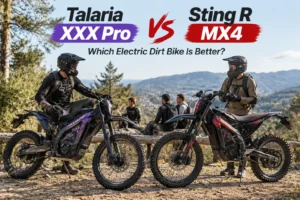
The Talaria XXX Pro and Talaria Sting R MX4 are two popular options for riders looking for a lightweight electric

ALTIS is about more than just bikes. it’s about being fearless, pure, future-focused, and creative. That's what we stand for, and it's what drives everything we do