Stark Varg MX vs Stark Varg EX: Key Differences
Electric enduro motorcycles are becoming an increasingly appealing option for riders who want strong acceleration, precise low-speed control, and less

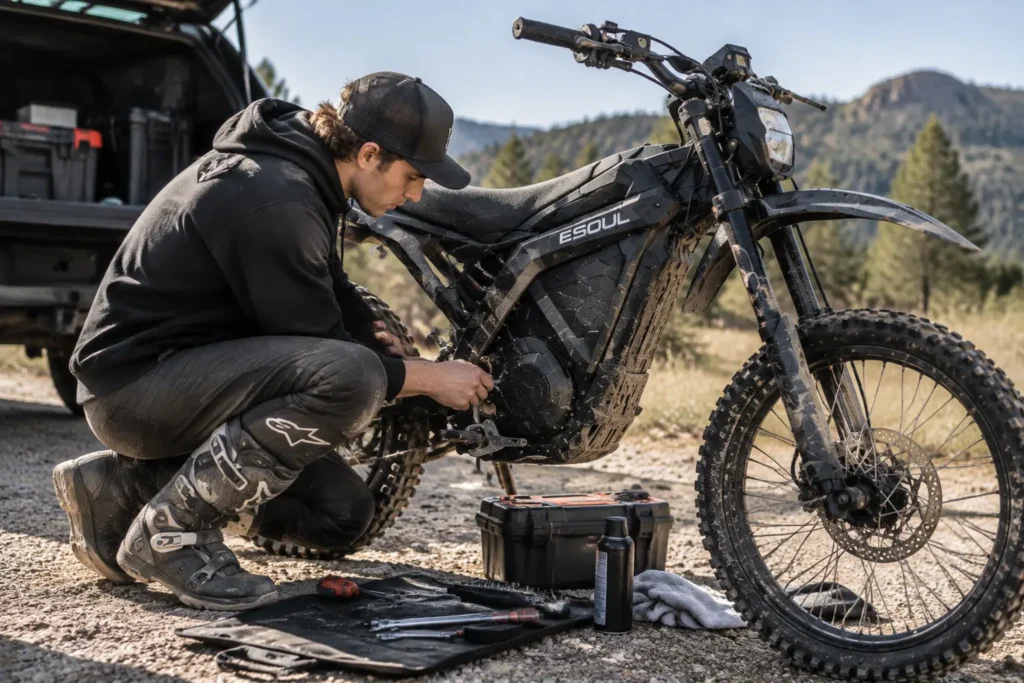
Electric dirt bikes have become increasingly popular because they offer a simpler ownership experience compared with traditional gas-powered dirt bikes. One of the biggest advantages of electric motorcycles is that they remove many of the regular engine maintenance tasks that riders are familiar with, including oil changes, spark plug replacement, fuel system servicing, and other combustion-related repairs.
However, an electric dirt bike is not a maintenance-free machine.
Although the electric motor itself requires much less routine service than a gasoline engine, the motorcycle is still designed for demanding off-road conditions. Dirt, mud, water, vibration, impacts, and aggressive riding all affect the components over time. Tires still wear, brakes still need inspection, suspension still requires care, and mechanical parts still experience normal stress.
The main difference is that electric dirt bike maintenance focuses less on the engine and more on battery health, cleaning, inspections, and replacing normal wear components.
For most riders, this is one of the biggest benefits of electric ownership. Instead of spending time maintaining a combustion engine, owners can spend more time riding and focus on keeping the motorcycle clean, charged, and ready for the next adventure.
The amount of maintenance an electric dirt bike needs depends on several factors, including riding frequency, terrain, weather conditions, rider style, motorcycle quality, and how carefully the bike is maintained after each ride.
A rider who spends every weekend riding muddy technical trails will naturally require more maintenance than someone who occasionally rides dry recreational trails.
The biggest reason electric dirt bikes require less maintenance is the simplicity of the drivetrain.
A traditional gas dirt bike contains many mechanical systems that require regular attention. The engine depends on oil lubrication, fuel delivery, ignition systems, cooling systems, and other components that need inspection and replacement over time.
Electric dirt bikes remove many of these systems because they use an electric motor powered by a battery pack. There is no combustion process, no fuel system, and no traditional engine oil maintenance.
For riders, this means fewer routine service tasks and less time spent preparing the motorcycle between rides.
A gas dirt bike owner may need to think about oil changes, fuel quality, engine temperature, air filters, and other engine-related maintenance. An electric dirt bike owner usually spends more time checking battery condition, cleaning dirt, inspecting mechanical parts, and ensuring the motorcycle remains in good working condition.
However, it is important to understand that electric dirt bikes are still dirt bikes.
The motorcycle itself experiences many of the same challenges as a gas-powered machine. Off-road riding creates stress on tires, chains, brakes, suspension systems, bearings, wheels, and chassis components.
Electric motorcycles also deliver instant torque, which can create additional stress on certain parts. A powerful electric dirt bike can quickly spin the rear wheel, especially on loose terrain, which may increase tire wear and drivetrain stress depending on riding style.
The correct way to describe electric dirt bike maintenance is not “maintenance-free.”
A better description is:
Electric dirt bikes require less engine maintenance but still require proper motorcycle maintenance.
The most important electric-specific maintenance area is battery care.
The battery determines the motorcycle’s range, performance, and long-term usability, making proper battery management one of the most important ownership habits. Modern lithium-ion batteries are designed to handle demanding riding conditions, but their performance and lifespan can be affected by charging habits, storage conditions, temperature, and usage patterns.
Owners should always use the correct charger designed for their motorcycle and follow the manufacturer’s recommendations for charging and storage. Using unsuitable charging equipment or ignoring battery guidelines can create unnecessary risks and may reduce long-term battery performance.
Temperature is another important factor. Extreme heat can accelerate battery aging, while charging or storing a battery outside recommended conditions can affect performance. Riders should avoid leaving their motorcycle exposed to extreme environments for long periods whenever possible.
Battery maintenance does not require complicated procedures. The most important habits are using proper charging methods, avoiding unnecessary stress on the battery, storing the motorcycle correctly, and following manufacturer recommendations.
Beyond battery care, the rest of the motorcycle still requires normal dirt bike maintenance.
Tires are one of the most frequently replaced components because they directly handle acceleration, braking, and changing terrain conditions. Electric dirt bikes can produce strong instant torque, which means aggressive riders may experience faster rear tire wear. Checking tire pressure regularly and choosing tires suitable for the riding environment can significantly improve traction and control.
The chain and sprocket system also requires regular attention on many electric dirt bikes. Although the motor requires little maintenance, the drivetrain still collects dirt, mud, and debris during off-road riding. Cleaning the chain, checking tension, and maintaining proper lubrication help reduce unnecessary wear.
Brakes should also be inspected regularly because electric dirt bikes can accelerate quickly and often carry significant weight. Brake pads, rotors, and hydraulic systems need attention, especially when riding in muddy, wet, or technical environments.
Suspension maintenance is another area that should not be ignored. Many buyers focus heavily on motor power and battery size, but suspension performance directly affects handling, comfort, and safety. Fork seals, shocks, suspension settings, and related components gradually wear depending on riding hours and terrain.
Other components such as wheel bearings, steering bearings, fasteners, and electrical connections should also be inspected periodically. Off-road riding creates vibration and impacts, and small issues can become larger problems if they are ignored.
There is no single maintenance schedule that applies to every electric dirt bike because riding conditions vary significantly.
A casual rider who uses the motorcycle a few times per month on easy trails will have very different maintenance requirements compared with an aggressive rider who rides several times a week in mud, sand, rocks, or technical terrain.
The best approach is to build simple inspection habits.
Before every ride, riders should check the basic safety items, including battery charge, tire condition, tire pressure, brake operation, throttle response, and any visible damage.
After difficult rides, especially wet or muddy rides, additional attention is needed. Cleaning dirt from important areas, checking the drivetrain, inspecting brakes, and allowing the motorcycle to dry properly can prevent many long-term problems.
Many expensive repairs begin as small issues that were ignored.
A loose bolt, worn brake pad, damaged tire, or neglected chain may seem minor at first, but continuing to ride without addressing the problem can create much larger repair costs.
Good maintenance is not about spending hours working on the motorcycle every week.
It is about consistently checking important components and solving small problems before they become major failures.
One of the reasons riders choose electric dirt bikes is the potential reduction in ownership costs.
Electric motorcycles eliminate many expenses associated with gas engines, including fuel costs, engine oil, spark plugs, and some traditional engine servicing.
However, electric dirt bikes still have normal motorcycle ownership costs.
Wear items such as tires, brake pads, chains, sprockets, bearings, suspension components, and other parts will eventually require replacement depending on how the bike is used.
The battery is usually the most expensive potential replacement component.
Battery replacement costs vary significantly depending on the motorcycle model, voltage, capacity, manufacturer, and availability. Before purchasing an electric dirt bike, it is worth researching whether replacement batteries and important components are available.
A cheaper motorcycle may not always be cheaper to own if replacement parts are difficult to find or manufacturer support is limited.
Long-term ownership depends on more than the purchase price.
A reliable electric dirt bike should have reasonable parts availability, good documentation, replacement support, and a maintenance system that owners can realistically follow.
Taking care of the motorcycle from the beginning can significantly improve the ownership experience.
Off-road riding exposes motorcycles to some of the harshest conditions, and wet or muddy environments require additional attention.
Mud can collect around moving components, while water exposure can create problems if sensitive areas are not properly maintained.
After riding in difficult conditions, riders should remove excessive dirt, inspect the chain, check brakes, look for damage, and make sure the motorcycle is properly dried before storage.
Electric dirt bike owners should also understand that water resistance is different from being completely waterproof.
Different motorcycles have different levels of protection, and riders should always follow manufacturer guidance regarding water exposure and cleaning methods.
High-pressure washing should be approached carefully because strong water pressure can force water into areas that normal rain or trail splashes would not reach.
A simple cleaning and inspection routine after difficult rides can greatly improve reliability and help protect expensive components.
Many electric dirt bike problems are caused by simple maintenance mistakes rather than complicated failures.
One common mistake is assuming that because the motorcycle has an electric motor, the entire bike requires no maintenance. The motor may require less attention, but the rest of the motorcycle still experiences normal off-road wear.
Another mistake is focusing only on the battery while ignoring mechanical components. A healthy battery cannot compensate for worn tires, weak brakes, poor suspension condition, or neglected drivetrain maintenance.
Incorrect storage is another issue. Leaving the motorcycle exposed to extreme temperatures or ignoring battery storage recommendations can affect long-term performance.
The best maintenance strategy is consistency.
Keep the battery properly managed, inspect the motorcycle regularly, clean it after difficult rides, and replace worn components before they fail.
These simple habits usually provide better results than complicated maintenance routines.
Yes. Electric dirt bikes remove many engine-related maintenance tasks, including oil changes, fuel systems, and spark plugs. However, tires, brakes, suspension, chains, batteries, and other motorcycle components still require regular maintenance.
No. They require less engine maintenance but still need proper battery care, cleaning, inspections, and replacement of normal wear parts.
No. Electric motors do not require engine oil changes like gasoline-powered dirt bikes.
Maintenance frequency depends on riding conditions, terrain, weather, and usage. Basic inspections should be performed before rides, while deeper maintenance depends on how often and how aggressively the bike is used.
The battery is usually one of the most expensive replacement components, although costs vary between models.
Some electric dirt bikes can handle wet conditions, but water protection varies between models. Riders should follow manufacturer recommendations and avoid unnecessary water exposure.
Electric dirt bikes require less maintenance than gas dirt bikes in several important ways, but they are not maintenance-free.
The biggest advantage is the simplified electric drivetrain. Without fuel systems, engine oil changes, spark plugs, and many combustion-related services, electric motorcycles are easier to own and require less routine work.
However, they are still off-road motorcycles.
Tires wear. Chains need care. Brakes require inspection. Suspension needs service. Batteries need proper charging and storage habits.
The goal of electric dirt bike maintenance is not to eliminate maintenance completely. The goal is to make maintenance simpler, more predictable, and easier to manage.
With proper battery care, regular inspections, and responsible riding habits, an electric dirt bike can provide years of reliable performance while offering a much simpler ownership experience compared with traditional gas-powered motorcycles.
Electric enduro motorcycles are becoming an increasingly appealing option for riders who want strong acceleration, precise low-speed control, and less
Electric enduro motorcycles are becoming an increasingly appealing option for riders who want strong acceleration, precise low-speed control, and less
The Talaria XXX Pro and Talaria Sting R MX4 are two popular options for riders looking for a lightweight electric
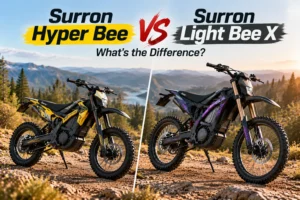
The Surron Hyper Bee and Surron Light Bee X are both high-performance electric dirt bikes, but they are designed for
